
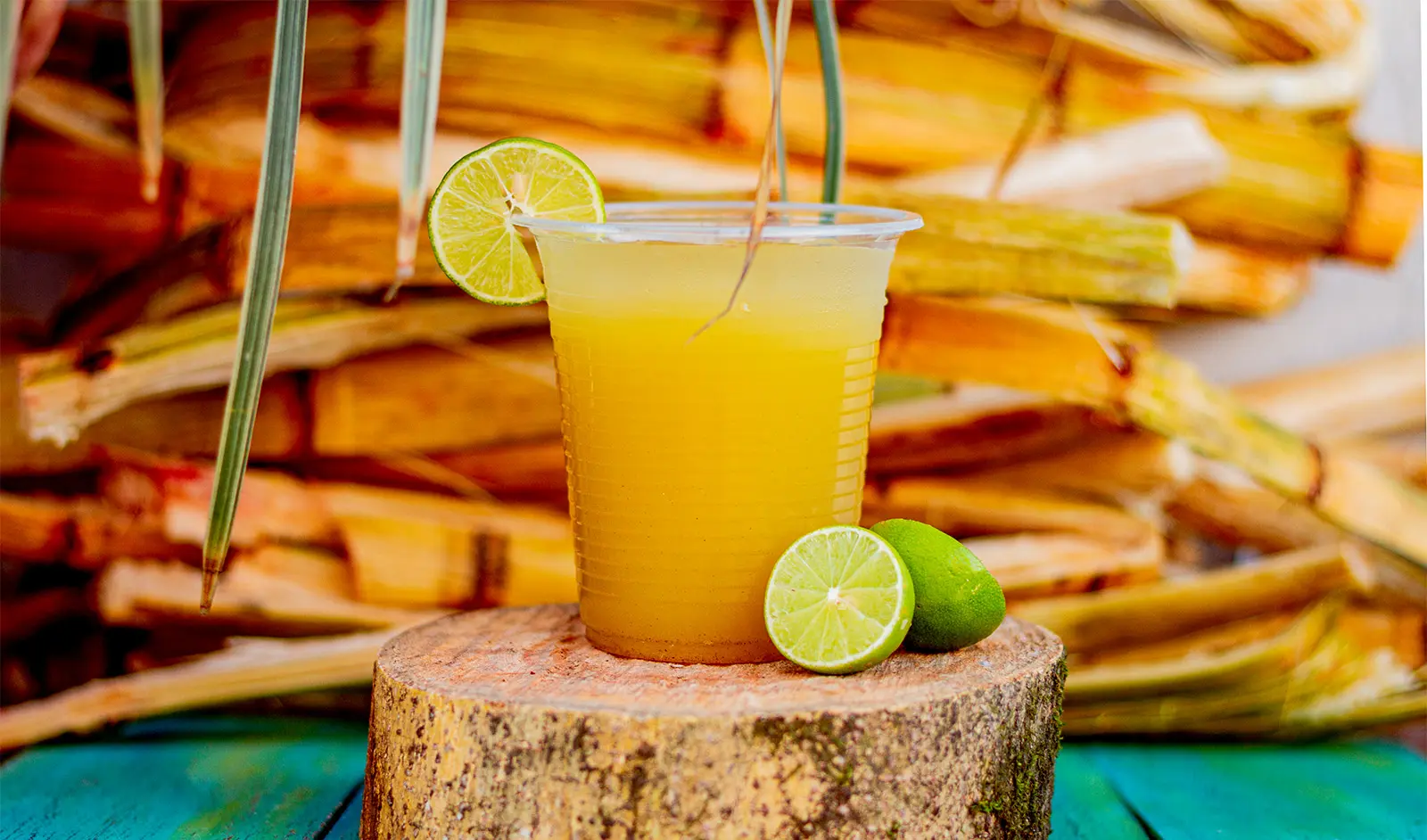
Is Sugarcane Juice Good for You? Benefits, Myths, and Smart Ways to Serve It
Published March 22, 2021 • Last updated October 7, 2025 • Juicernet
If you’ve ever sipped fresh-pressed sugarcane juice—guarapo in Latin America, “jugo de caña” across the tropics—you know the appeal: cold, crisp, naturally sweet, and wildly refreshing. But sweetness also sparks a fair question: is sugarcane juice good for you? Short answer: in moderation, yes—for most people. And when you press it fresh, handle it safely, and serve it right, it can be a menu star that earns repeat orders (and great margins).
In this guide, we’ll cut through the hype with a practical, research-minded take on sugarcane juice: what’s in it, what it may support (hydration, antioxidants), what it won’t do (it’s not a magic detox), who should be cautious (people managing blood sugar), and how to serve it safely and profitably—especially with NSF-certified commercial equipment.
Sugarcane Juice 101: What It Is (and Isn’t)
Sugarcane juice is simply the liquid expressed from fresh sugarcane stalks. Unlike refined sugar, it’s not processed into crystals or syrups; it’s a fresh juice containing water, natural sugars (primarily sucrose with some glucose/fructose), trace minerals (like potassium, calcium, magnesium, phosphorus), small amounts of amino acids, phenolic compounds, and organic acids. It’s typically non-carbonated, non-alcoholic, and best enjoyed immediately after pressing (or the same day under proper refrigeration and food-safety controls).
Key takeaway: it’s a real food with real calories from sugar. The “good for you” part comes from context—how much you drink, how it fits your diet, and how cleanly it’s prepared.
Benefits You Can Stand Behind
 1) Hydration + Electrolytes (great in heat and after activity)

Sugarcane juice is mostly water, with natural electrolytes (notably potassium) that support hydration. Many people choose it as a post-activity refresher or a cooling drink in hot climates. Add a squeeze of lime and a pinch of salt for a classic, balanced “recovery” profile.
Menu idea: “Guarapo + Lime + Pinch of Sea Salt”—a simple twist that boosts flavor and perceived function.
2) Antioxidant Support (phenolics that counter oxidative stress)
Cane contains phenolic compounds that exhibit antioxidant activity. Fresh pressing preserves more of these delicate compounds than shelf-stable, highly processed alternatives. While antioxidants aren’t a cure-all, they’re a legit part of sugarcane’s nutrition story.
Pro tip: Ginger, mint, or lemon add complementary phytochemicals and an aromatic lift.
3) Gentle Alkaline Taste Profile (and soothing for some)
Fans report that fresh cane juice feels easy on the palate and can be soothing alongside meals. It won’t “fix” digestion—but as a lightly alkaline beverage with a clean finish, it’s a satisfying companion to spicy or heavy foods.
4) Fast, Real-Food Energy
Because it’s naturally sweet, sugarcane juice delivers quick energy without the dyes, acids, and additives in many packaged drinks. That makes it a popular mid-shift pick-me-up or pre-workout option for customers who tolerate natural sugars well.
Bottom line: For generally healthy adults, an 8–12 oz serving of fresh sugarcane juice can fit into a balanced diet—especially when balanced with fiber-rich meals, protein, and movement.

Portion, Frequency, and Pairings
-
Serving size: 8–12 oz (250–350 ml) is a sensible sweet spot.
-
Frequency: Treat like other sweet beverages—occasional, not continuous.
-
Pairings: Add lime (bright acidity), ginger (spice/phenolics), mint (aroma), or sparkling water (dilution with fizz). Pair with protein + fiber-rich food to slow the glycemic curve.
Flavor Variations Customers Love
-
Classic Guarapo: Fresh-pressed cane + lime over ice.
-
Cane + Ginger: Zippy, aromatic, and Instagram-worthy.
-
Tropical Trio: Cane + pineapple + lemon (pure island vibes).
-
Spice Route: Cane + lemon + pinch of cinnamon.
Safety Matters: Why NSF-Certified Equipment Belongs in Your Bar
For a juice bar serving the public, an NSF-certified sugarcane juicer isn’t just a nice-to-have—it’s central to compliance, safety, and smooth operations.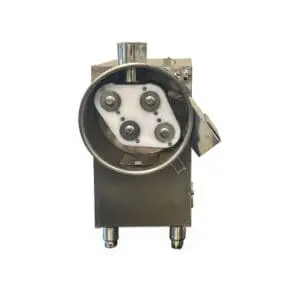
-
Pass inspections: Many U.S. jurisdictions expect NSF or equivalent sanitation listing for food-contact equipment. Certification prevents citations or downtime.
-
Food-safe materials: Verified stainless and food-grade polymers that won’t leach into juice.
-
Designed for cleanability: Smooth, non-absorbent surfaces with no dirt traps mean faster, more complete cleaning (lower biofilm risk).
-
Seals and housings that protect juice: Keeps lubricants and debris away from the extraction path.
-
Ongoing audits: NSF includes periodic audits for continued compliance.
-
HACCP/SSOP-friendly: Documentation simplifies your sanitation plan and auditor conversations.
-
Insurance peace of mind: Certified gear lowers liability exposure.
-
Operational upside: Faster daily teardown, quicker sanitation, less inspector scrutiny, more uptime.
In short: If you’re going to answer “is sugarcane juice good for you?” with confidence, make sure your process is good for your guests—start with NSF-certified equipment and tight sanitation SOPs.
How to Prep, Store, and Serve (for Quality + Compliance)
-
Source: Fresh, clean cane stalks from reputable suppliers.
-
Prep: Rinse and scrub stalks; trim ends. Use separate tools/boards from raw proteins.
-
Press: Use an NSF-certified press. Keep the extraction area enclosed and guarded.
-
Hold: If not served immediately, chill at ≤41°F (5°C). Time-limit batches as required by your local code.
-
Clean: Disassemble and clean per manufacturer instructions after every service. Sanitize and air-dry components. Log your SSOPs.
FAQs
Is sugarcane juice good for you?
In moderation for most healthy adults, yes. It hydrates, provides quick energy, and contains potassium and antioxidant compounds. It also contains real sugar and calories, so treat it like other sweet beverages—smart portions, not all day.
Is sugarcane juice good for the liver?
There’s no strong clinical proof it “heals” the liver. Staying hydrated and limiting alcohol/ultra-processed foods matters more. Enjoy cane juice for taste and hydration—not as a detox.
Is sugarcane juice good for diabetes?
Typically no. It’s high in sugar and can spike blood glucose. People with diabetes or prediabetes should avoid or strictly limit it and consult their care team.
What are the side effects of sugarcane juice?
Potential issues mirror other sweet drinks: blood sugar spikes for sensitive individuals and dental caries with frequent sipping. Poor sanitation can introduce risk—another reason to use NSF-certified presses and tight cleaning routines.
How much sugarcane juice is okay per day?
A sensible 8–12 oz serving occasionally is a practical guideline for healthy adults, ideally alongside meals and active lifestyles.
For Operators: Make Cane Juice a Winner on Your Menu
-
Merchandise the theater. Live pressing draws a crowd. Add clear cups, mint, and lime wheels for visibility.
-
Right-size your SKUs. Offer 8 oz, 12 oz, 16 oz with add-ins (lime, ginger, mint).
-
Price for value. Highlight fresh-pressed and NSF-certified process—it justifies premium pricing.
-
Speed the line. Choose a machine sized for your rush and footprint (FOH showtime vs BOH batching).
-
Train and track. SOPs for cleaning, time/temperature logs, and yield tracking (ounces per stalk) protect margin and compliance.
Ready to add sugarcane to your beverage lineup—or upgrade your current setup? Talk to Juicernet about NSF-certified presses sized for your volume, space, and service style.
